Regulatory Oversight Reshaping Tiered Reward Access Across Mobile Gaming Platforms
Written by Leon Reed · Sep 1, 2026
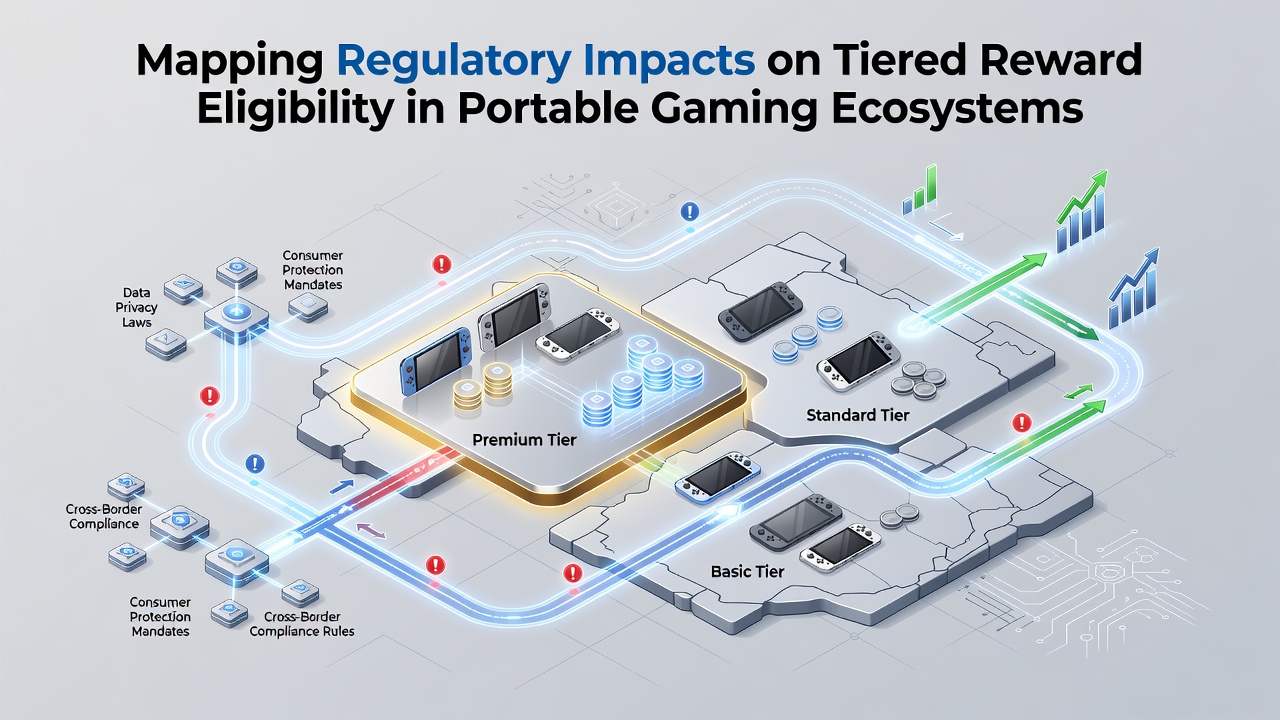
Regulatory Oversight Reshaping Tiered Reward Access Across Mobile Gaming Platforms
Regulatory bodies across multiple jurisdictions continue to adjust rules that govern how players qualify for tiered rewards in portable gaming ecosystems, and these adjustments create measurable shifts in eligibility criteria for bonuses, loyalty points, and elevated status benefits. Data compiled by industry analysts show that changes in verification standards, spending thresholds, and geographic restrictions directly influence which users advance through reward ladders on smartphones and tablets. Observers note that operators must recalibrate their systems whenever new compliance layers appear, because even minor updates to player identification or deposit tracking can alter progression timelines.
Core Regulatory Mechanisms at Play
Verification protocols stand at the center of these impacts, since many regions now require enhanced identity checks before players unlock higher reward tiers. The Alcohol and Gaming Commission of Ontario implemented stricter age and location verification rules in early 2025, and subsequent reports indicate that mobile platforms saw a 12 percent drop in users reaching mid-level status within the first six months. These rules tie directly to reward eligibility because operators cannot award certain bonuses until accounts clear additional review steps, which lengthens the path from initial deposits to VIP privileges.
Meanwhile, spending caps and loss-limit requirements in several European markets add another dimension. When daily or monthly deposit limits activate, players who previously climbed tiers through consistent high-volume activity encounter slower accumulation rates. A study released by the European Gaming and Betting Association in August 2025 documented how these caps reduced average monthly point earnings by 18 percent among mobile users in participating countries, forcing operators to redesign tier progression formulas that once rewarded raw volume alone.
Regional Variations Emerging in 2026
September 2026 marks the scheduled rollout of updated cross-border data-sharing agreements among select U.S. states and Canadian provinces, and these agreements will likely standardize how operators track player activity across portable devices. Regulators expect the new framework to close loopholes that previously allowed users to maintain multiple accounts in different jurisdictions, thereby consolidating reward histories into single profiles. Industry models project that this consolidation will raise the effective threshold for top-tier qualification in many apps because fragmented activity will no longer count toward separate progress bars.
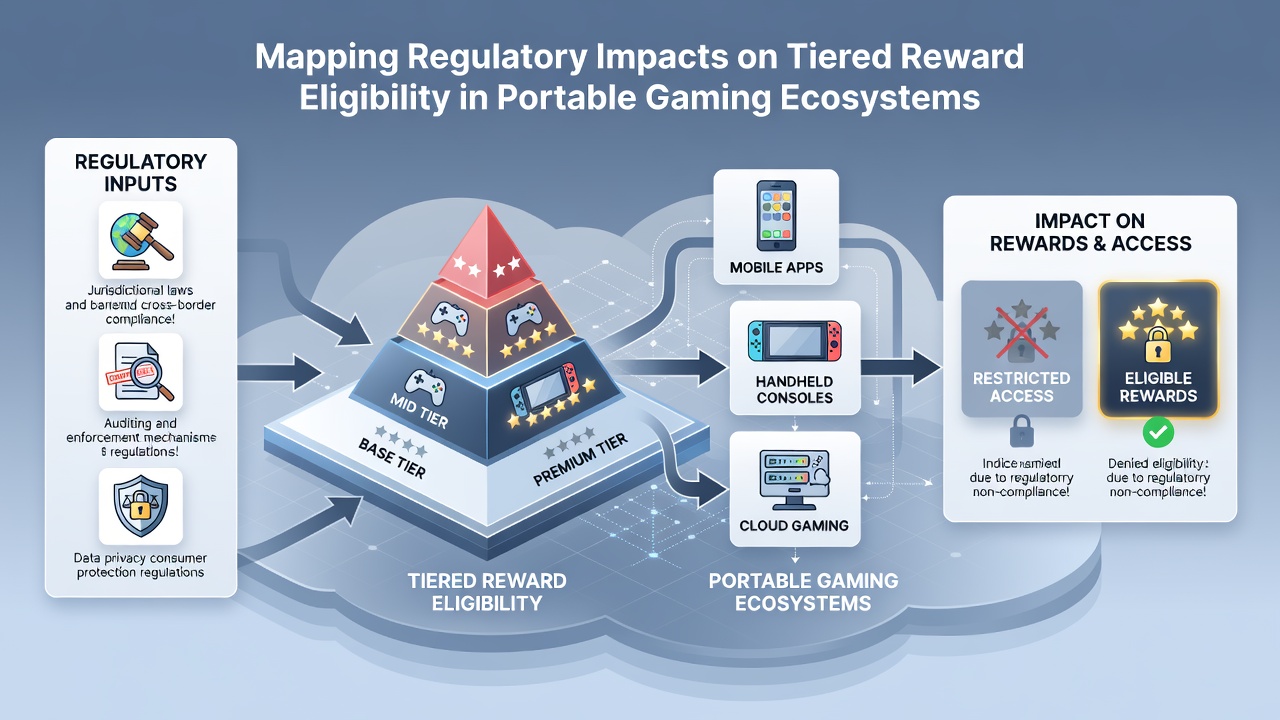
Take one operator active in both New Jersey and Pennsylvania markets. After the 2026 agreements take effect, that company will need to merge reward ledgers so that a player’s combined activity meets unified criteria rather than separate state-specific ladders. Analysts at the National Council on Problem Gambling have already flagged this shift as a factor that could extend the time required to reach elite tiers by an average of two to three months for frequent mobile users.
Technical Adaptations by Platform Providers
Software developers respond to these regulatory pressures by embedding dynamic compliance modules into their mobile applications. These modules adjust displayed reward offers based on the user’s verified location and account status in real time. When a player crosses into a jurisdiction with tighter rules, the system automatically recalculates remaining progress toward the next tier, displaying adjusted targets without requiring manual intervention. This approach keeps operators aligned with local statutes while preserving user engagement across borders.
Payment gateway integrations also evolve under regulatory scrutiny. Several platforms now route deposits through licensed processors that automatically flag transactions exceeding jurisdiction-specific thresholds, preventing accidental violations that could freeze reward accumulation. Observers tracking these integrations report that the added friction has prompted some users to space out their activity, which in turn stretches the calendar time needed to satisfy tier requirements tied to consecutive monthly deposits.
Conclusion
Mapping these regulatory impacts reveals a landscape where eligibility for tiered rewards in portable gaming ecosystems depends increasingly on synchronized compliance across verification, spending limits, and data-sharing mandates. As September 2026 approaches, operators and players alike will encounter new benchmarks shaped by these overlapping frameworks, and continued monitoring by regulatory agencies will determine how quickly reward structures adapt to the evolving rules.